
Travel · Fall/Winter 2026
Fall for Tuscany This Fall
By Roberto da Carrara · Editorial
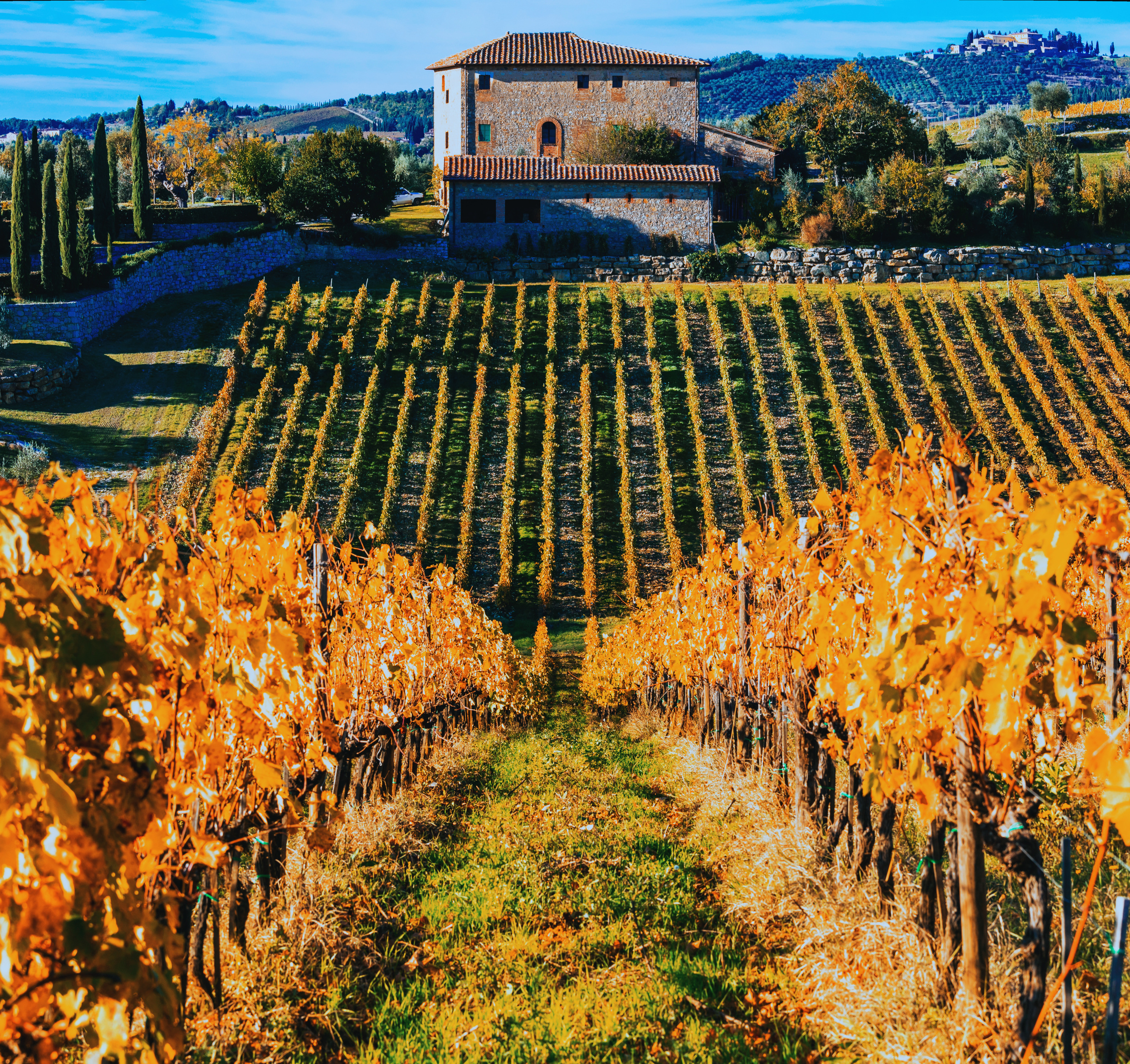
We admit. We are a little bit biased when it comes to Tuscany, given our origin story beginning in the mountains of Carrara. But it is still a fact: there are few places on earth where fall feels as complete as it does in Tuscany.
The air turns cooler, the hills deepen into ochre and bronze, the vineyards move into harvest mode, and the whole region seems to exhale after summer.
“In Tuscany, autumn is not an afterthought; it is the season when the landscape, the food, the wine, and the architecture speak in the same measured voice.”
For a Roberto da Carrara weekend, the goal is not to see everything. It is to choose beautifully, travel slowly, and let the right towns, tables, and rooms do the work.
Siena
The ideal itinerary begins in Siena, perhaps the most emotionally complete medieval city in Italy. Founded in legend by the son of Remus and later shaped by its rivalry with Florence, Siena became one of the great powers of medieval Tuscany, and that history still defines the city's atmosphere.
Its shell-pink brick, narrow lanes, and fan-shaped Piazza del Campo make it feel less like a destination than a stage set for civic memory. The best way to arrive is in the late afternoon, when the light softens and the city seems to glow from within.
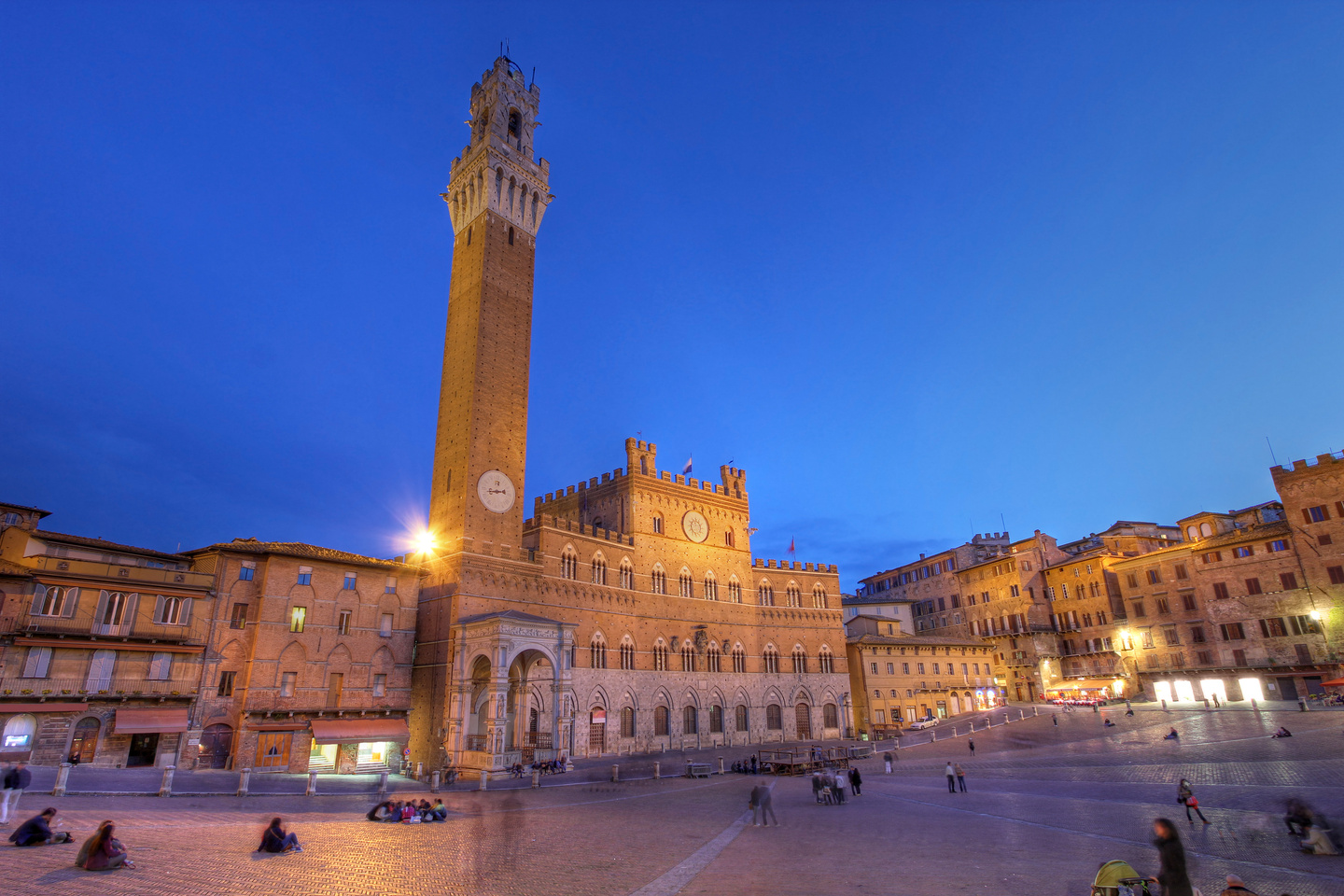
To feel the weight of Siena's history, stay at the Grand Hotel Continental Siena in the historic center, within walking distance of the Campo and the Duomo. For a more intimate feeling, Palazzo Ravizza offers a quieter, old-world elegance with a garden and a sense of domestic Tuscan calm. If you prefer the countryside, Castel Monastero outside the city gives you a proper fall-escape mood: stone walls, vineyards, and long dinners after sunset.
Stay
- Grand Hotel Continental Siena
- Palazzo Ravizza
- Castel Monastero
Dining and shopping in Siena
Osteria Le Logge is one of the city's great rooms for refined Tuscan cooking, with a polished but not precious atmosphere. If you have a house with a kitchen while visiting, the chef will even come and do a cooking class or dinner at your home.
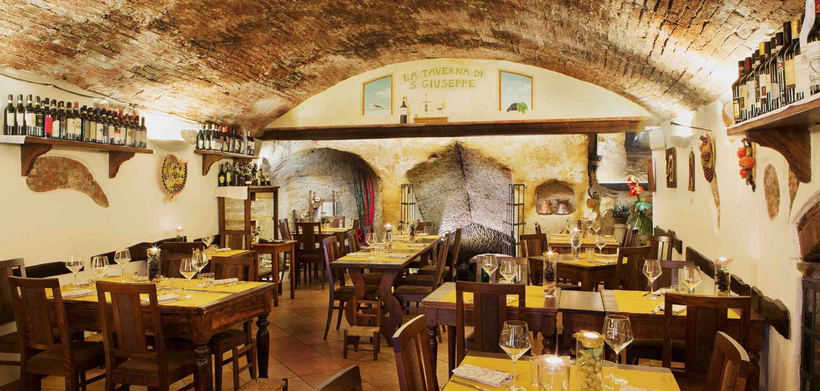
La Taverna di San Giuseppe is a classic for ribollita, pici, and game when the weather cools. For lunch or aperitivo, keep it simple: a glass of Chianti, a plate of salumi, and a seat where you can watch Siena move at its own pace. In autumn, the city's pleasures are deeper because they are less hurried.
Siena also offers shopping, with the handmade and the discreet ruling over commercial items. Look for artisan ceramics, paper goods, and small leather items in the center rather than glossy boutiques. This is not a city of loud commerce. It is a city of durable things, which is exactly why it fits for Roberto da Carrara members.
Tables and shops
- Osteria Le Logge
- La Taverna di San Giuseppe
- Artesia Ceramica
- La Stamperia di Nannini Mario
Val d'Orcia
From Siena, the road should wind south into the Val d'Orcia, where autumn becomes almost cinematic. Here the hills roll in slow geometry, cypress trees punctuate the horizon, and the villages seem to have grown out of the earth rather than been built upon it. This is where one should stay for a night or two, in a place that understands the value of silence.
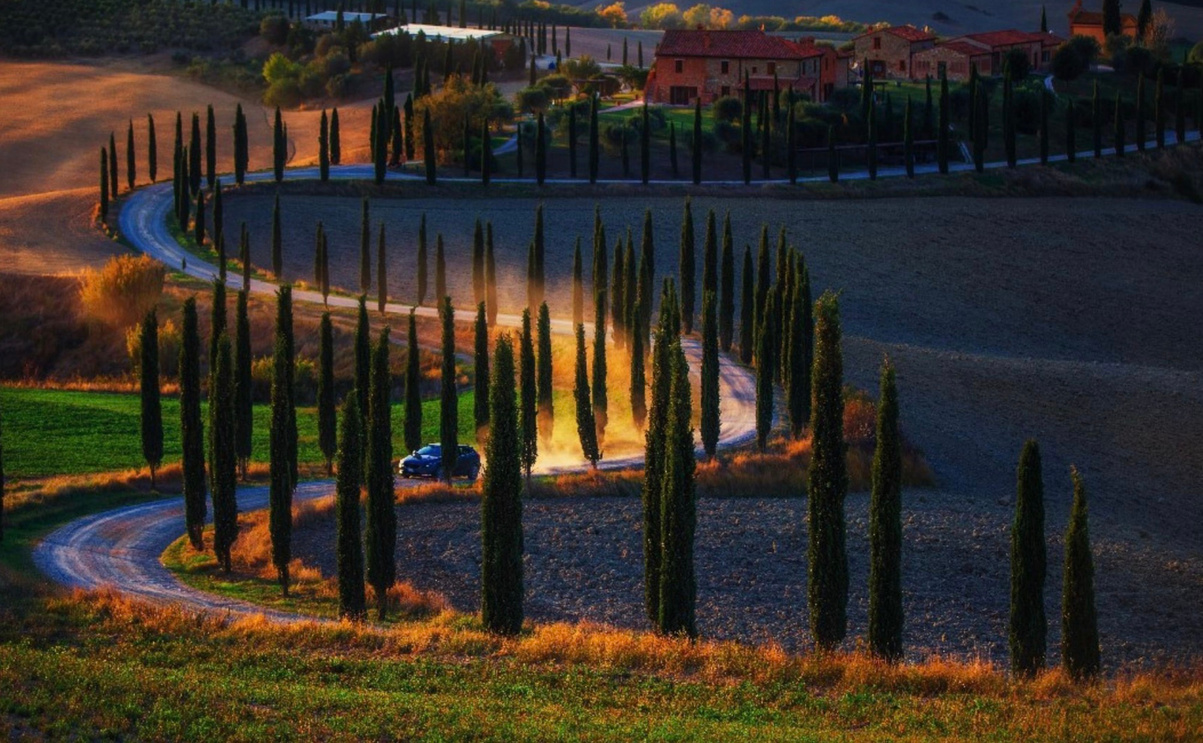
A strong choice is Rosewood Castiglion del Bosco, one of Tuscany's most complete luxury stays, set on a vast estate with sweeping views and excellent service. It is polished but still connected to the land, which matters in fall when the vineyards are changing color and the atmosphere becomes more tactile.
Dinner in the Val d'Orcia should be about local rhythm rather than celebrity. Osteria La Porta in Montefollonico is a good example of the kind of place that suits fall: a terrace with views, a kitchen rooted in local produce, and a menu shaped by the season. In nearby Pienza, the streets are beautiful, ordered, and compact, and the pecorino shops are a reason in themselves to stop.
Stay and dine
- Rosewood Castiglion del Bosco
- Osteria La Porta
- Pienza for pecorino and a cool afternoon walk
Cortona
If Siena is the grand medieval note, Cortona is the intimate one. Perched above the Val di Chiana, it is one of Tuscany's oldest hill towns, with Etruscan roots that stretch back more than 2,000 years. This history matters because it gives Cortona a density that many more famous towns lack. It is not just picturesque; it is layered.
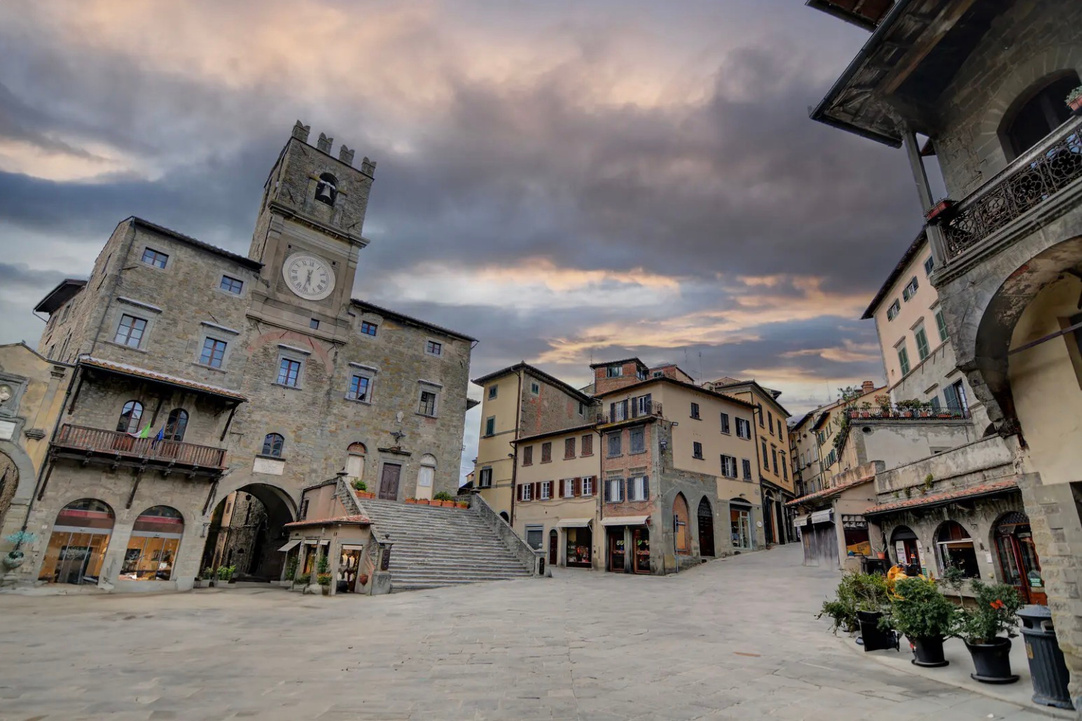
Cortona is an excellent place to stay for a fall weekend if you want a slightly softer, more lived-in atmosphere than Siena. Relais La Corte dei Papi is a distinguished countryside retreat with character and calm. In town, Monastero di Cortona Hotel & Spa gives you the advantage of atmosphere and access.
Meals in Cortona should be slow and unfussy. La Bucaccia is a long-favored address for Tuscan cooking with depth and integrity. The dishes suit fall: pici with ragù, game birds, porcini, hearty sauces, and steak made with the prized Chianina beef. Autumn in Tuscany is not the time for novelty. It is the time for confidence.
Cortona notes
- Relais La Corte dei Papi
- Monastero di Cortona Hotel & Spa
- La Bucaccia
Lucca
If you want a third town to complete the weekend, choose Lucca, which offers a different rhythm altogether. Lucca was founded as a Roman colony and later developed into one of the most distinct independent city-states in Tuscany, remaining notable for its preserved walls and strong civic identity.
It is often called the town of a hundred churches, and its medieval plan, intact walls, and quiet piazzas make it one of the most pleasurable places to linger. Lucca is less dramatic than Siena and less theatrical than Cortona, but it may be the most livable of the three.
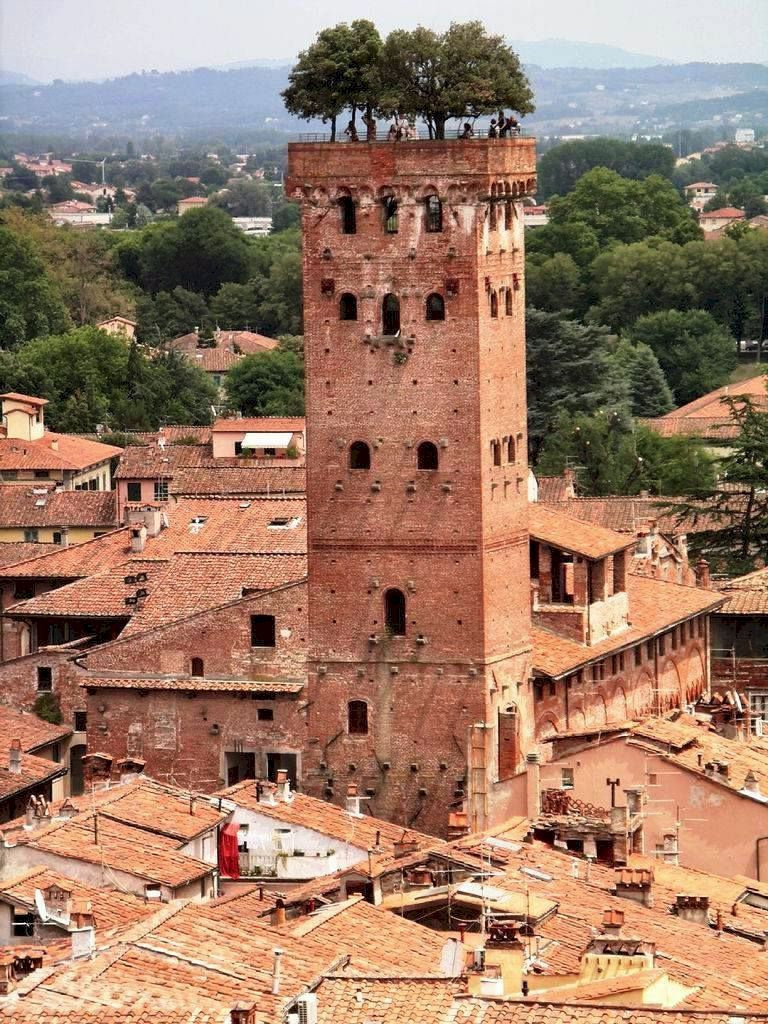
For a night in Lucca, the best approach is to stay inside the walls. Hotel Palazzo Alexander or Grand Universe Lucca offer the right mix of access and atmosphere. The point is to wake up within walking distance of the old city, buy coffee in the morning as the locals do, and spend the day moving through the streets without needing a car.
Lunch or dinner should be at a place that respects the city's intelligence. Buca di Sant'Antonio is one of the classic addresses, famous for old-fashioned Lucchese hospitality and an atmosphere that feels anchored in time.
Lucca notes
- Hotel Palazzo Alexander
- Grand Universe Lucca
- Buca di Sant'Antonio
A perfect Tuscany weekend does not require covering distance. It means choosing the right sequence. Siena gives you grandeur and medieval texture. Cortona gives you warmth and antiquity. Lucca gives you composure and ease. Between them, the region offers everything that makes fall travel satisfying: cooler air, truffle season, harvest tables, and rooms that feel more inviting as the days shorten.
For Roberto da Carrara, the point is not just to visit Tuscany in fall. It is to inhabit it properly. That means a beautiful shirt, a good coat, shoes that can handle stone streets, and enough restraint to let the place speak. Tuscany rewards men who understand that luxury is not volume, but proportion.