Featured Product
The Perfect White Shirt
By Robert Mazzucchelli · Founder
The perfect men's white dress shirt is the quiet cornerstone of a refined wardrobe — a garment defined not by decoration, but by discipline. It is not "just a shirt," but a series of deliberate choices: the tension of a stitch, the density of a weave, the curve of a collar that sits flawlessly beneath a jacket's lapel or perfectly on the clavicle when worn alone.
1 · Fabric
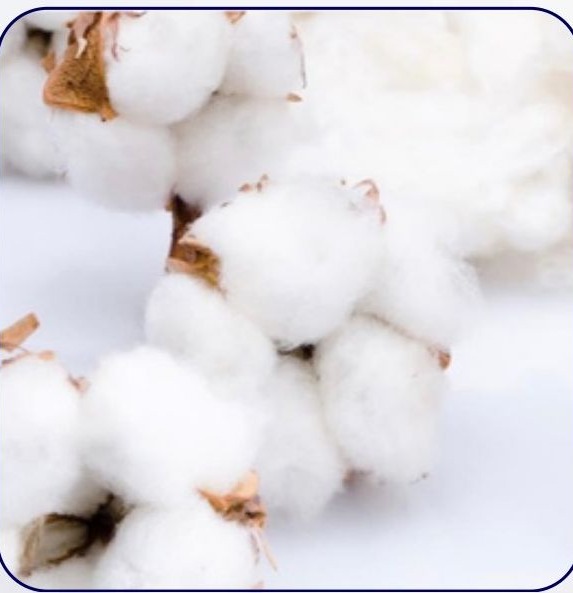
Italian mills such as Thomas Mason, Canclini, and Albini treat cotton as an art form, weaving long-staple fibers into poplins that glide against the skin yet hold their structure over years. English shirtings favor sturdier twills with an almost architectural crispness, while Japanese producers have earned cult respect for perfectly balanced broadcloths.
In dress shirting, the number system — 80s, 100s, 120s, 140s — refers to yarn fineness, not thread count. The higher the number, the finer the yarn, allowing a smoother, silkier cloth. Below about 80s, shirting can feel coarse. Around 100s–120s you get an excellent balance of softness, drape, and durability for everyday luxury. Beyond 140s–160s, cloth becomes more ethereal and "buttery" — but also more fragile and wrinkle-prone.
“The sweet spot is single- or double-ply cotton in the 100s–140s range from a top mill.”
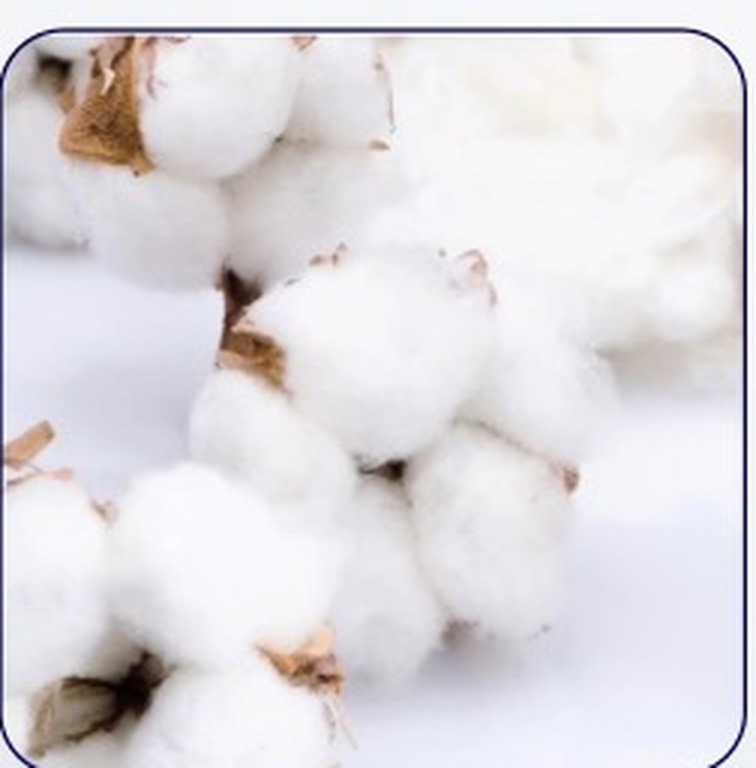
Giza 87
One of the most exclusive cottons in the world — the brightest of the Extra-Long Staple Egyptian cottons. Ideal for exceptionally luminous fabrics whose softness and freshness only increase with washing.

Supima
An Extra-Long Staple cotton renowned for its long, fine white fibers. Cultivated mostly in California with remarkable resistance to pilling — its bright, pure aspect is ideal for white fabrics.
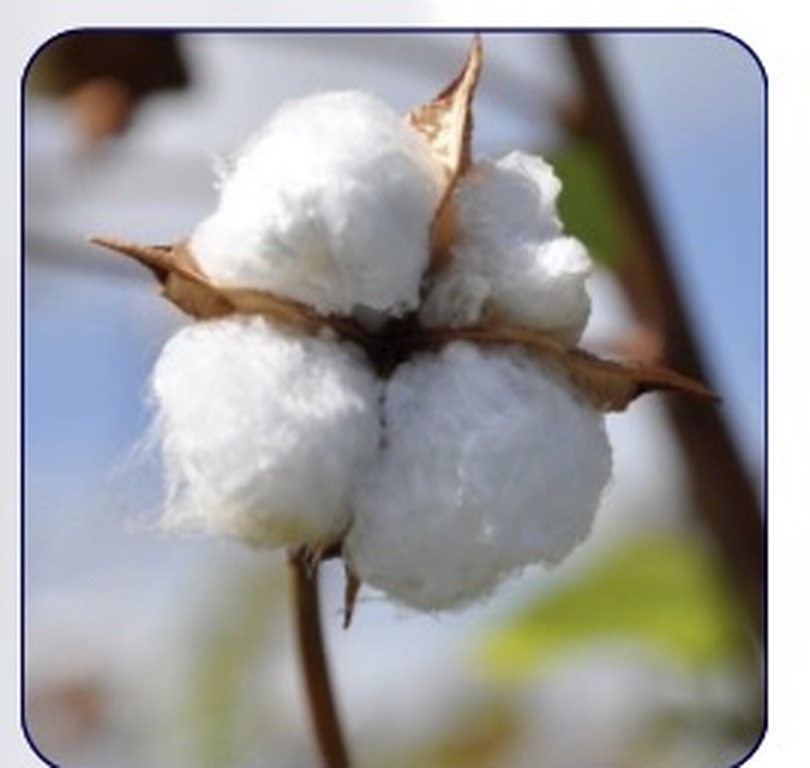
West Indian Sea Island
One of the most ancient and rarest cottons in the world. Cultivated in Jamaica and Barbados, prized for length, strength, fiber uniformity and brightness — making the finest, silkiest fabrics.
2 · Fit & Collar
While there are many collar types, you will typically encounter three. I most often recommend the spread collar: it looks great with a suit and tie (even a tux in a pinch), with a suit and no tie, or with casual pants and a blazer. For travel, this is the one to bring.
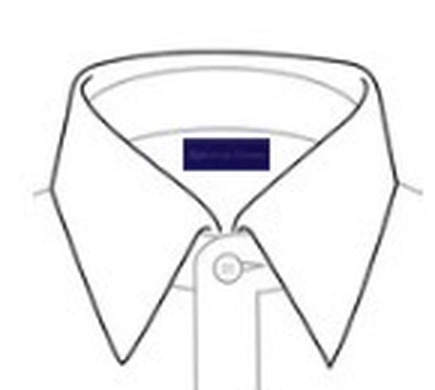
Slimming
Pinpoint
Best for someone with a wide or rounder face — slims the appearance. A favorite of American business circles.
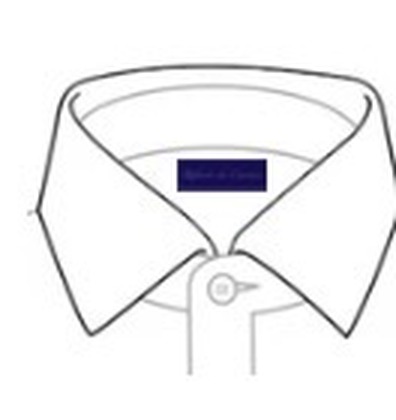
Versatile
Spread
Best for narrow faces, adding apparent volume. The European business standard, and our recommendation for most wearers.
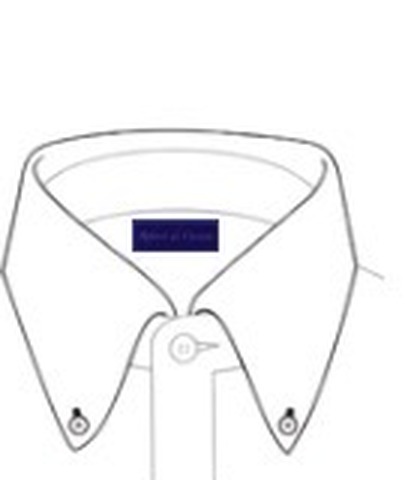
Casual
Button-Down
Invented by John Brooks in 1896 to keep collar flaps down while playing polo. Always reads casual — not a contender for the perfect white shirt.
Fit determines presence. Expert tailoring begins with a pattern drawn by hand — shaped to the wearer's posture, shoulder slope and arm pitch — then refined over fittings until the shirt moves with the body. Made-to-measure offers a more accessible route, adjusting collar height, cuff width and side taper within a structured system. Off-the-rack usually demands a skilled alterations tailor.
After years of selling high-quality shirts, I find that unless you have a particular body shape or are seeking atypical details, made-to-measure works beautifully for most men.

3 · Cuffs
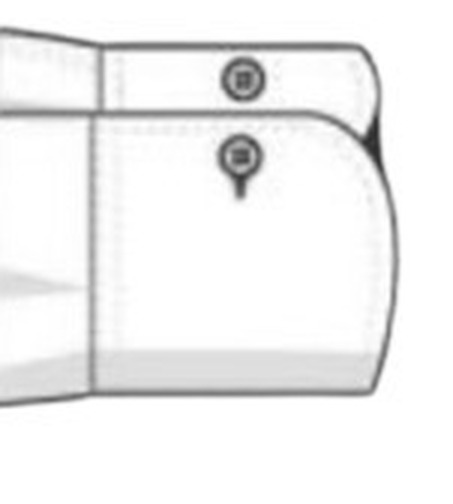
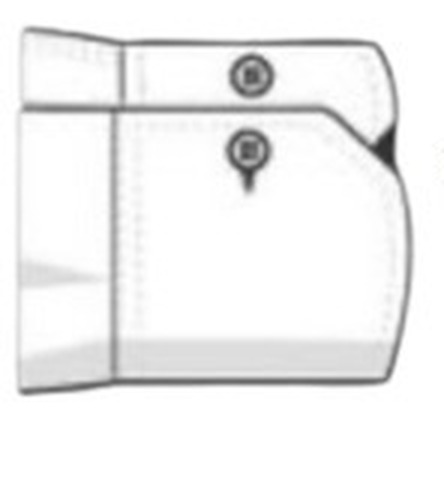
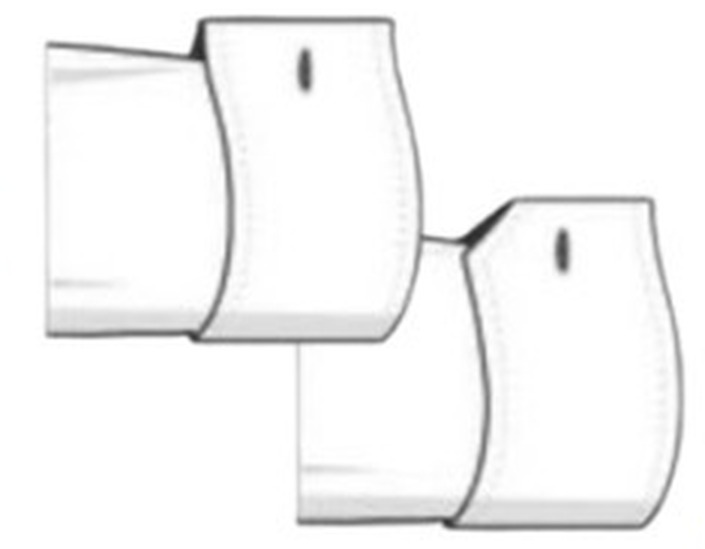
Keep things simple. Choose between barrel or mitre button cuffs, or French cuffs — and own a few of each in perfect white. On button cuffs, one or two buttons (three in the extreme). I prefer French cuffs even in casual settings; they invite a little personalization through the cufflinks. When I travel, I pack one of each.