Travel & Table · Italy

Ten Small Trattorias Worth the Journey

By Roberto da Carrara · The Table Issue
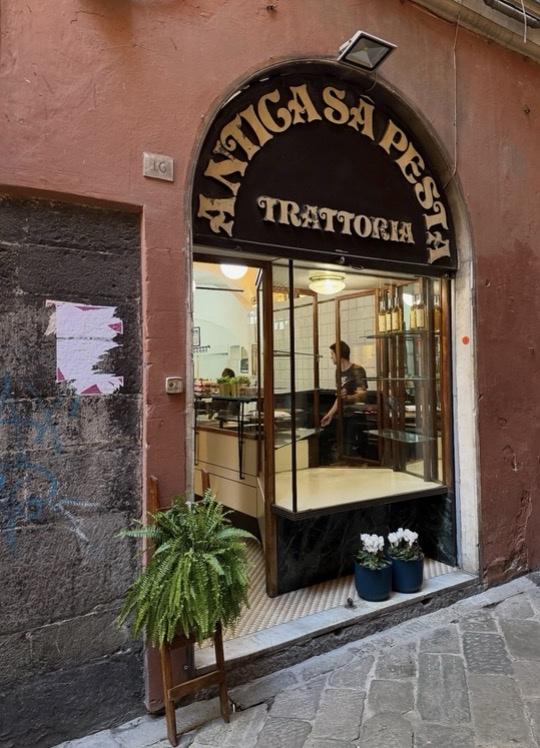
Antica Sà Pesta, Genoa — the arched trattoria doorway

There is a particular kind of Italian room that no amount of money can manufacture. It is small — often twelve tables, sometimes eight. The menu is short and handwritten, or not written at all. The wine arrives in a carafe. The floor is worn in a path from the door to the kitchen, because for eighty years the same feet have walked it. This is the trattoria, and it remains the single most reliable measure of Italian civilization at the table.

“A restaurant aspires; a trattoria remembers.”

The kitchen does not invent, it repeats — and the repetition is the point, because a dish cooked ten thousand times acquires an authority that no tasting menu can borrow. The best of them are family businesses in the literal sense: a grandmother rolling pasta at eight in the morning, a son at the pass, a grandson at the door with the reservation book he barely needs. Nothing about the room is styled. Everything about it is inherited.

What follows is not a list of the most famous tables in Italy, nor the most expensive. It is a list of ten small, classic trattorias — most of them a century old or nearly so, all of them family-held, none of them large — arranged as a journey down the peninsula. Book them. In several cases, book them well ahead. And when you sit down, order what the house is known for. In rooms like these, curiosity is best expressed through obedience.
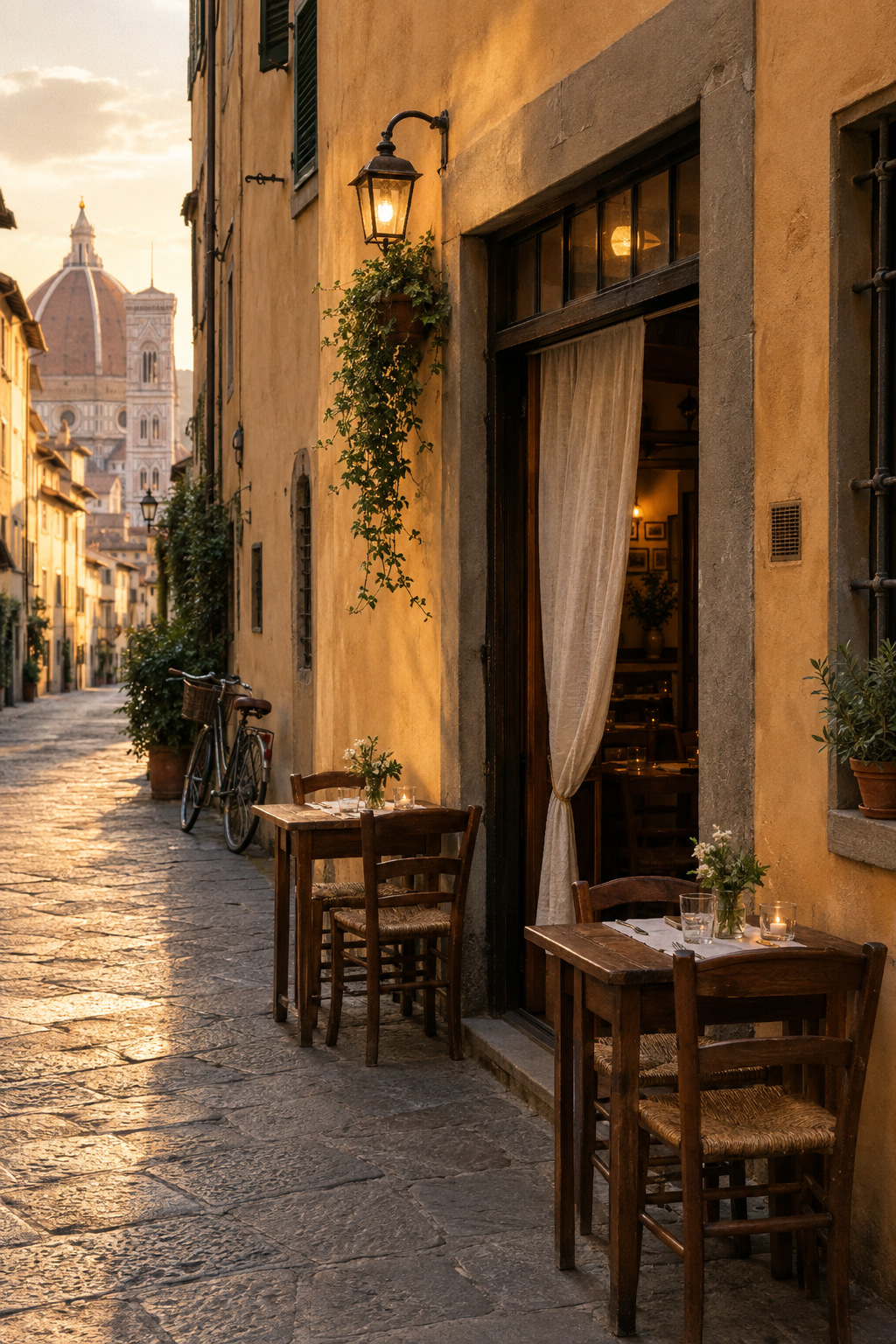
An unmarked trattoria door with linen curtain and two tables outside
The unmarked door, the linen curtain, the two tables outside

The North

One

Trattoria Masuelli San Marco

Milan, Lombardy · Since 1921

Francesco and Virginia Masuelli arrived in Milan from the province of Alessandria and opened a small osteria on Viale Umbria in 1921, in a city then busy remaking itself. Four generations later the family is still there, and the room — dark wood, etched glass, a decidedly pre-war calm — has been recognised as one of Milan’s botteghe storiche.

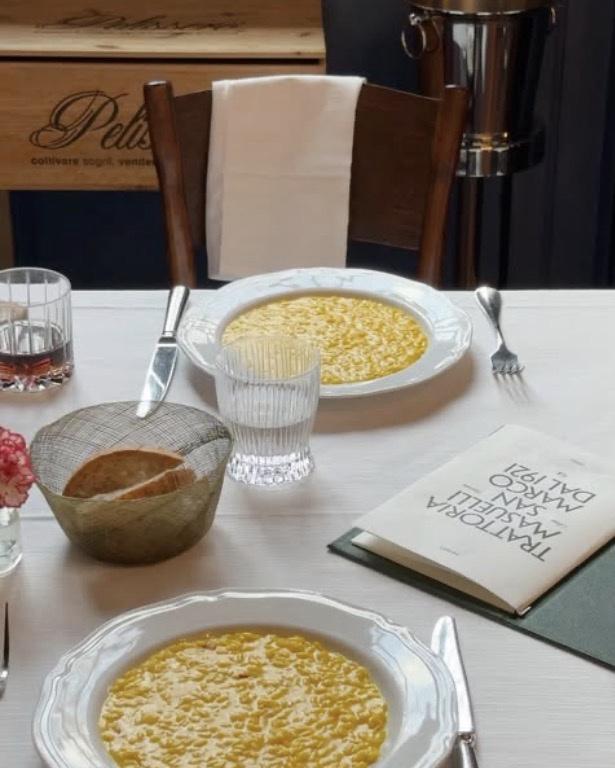
It is the correct place in Italy’s most modern city to eat the most conservative food: risotto alla milanese the colour of old gold, cotoletta, and a cellar with real Piedmontese and Lombard depth. Milan does not lack for design. It lacks for continuity, and Masuelli sells it by the plate.

Risotto alla milanese, the house menu still carrying the founding year

Viale Umbria 80, Milan. Closed Sunday and Monday lunch. Reserve; the room is small and the regulars are loyal.

Two

Trattoria Marsupino

Briaglia, Piedmont · Since 1901

An hour south of the great Barolo villages, in a hill hamlet most travellers drive past, the Marsupino family has run this house since 1901 — the fourth generation now in charge, and a Michelin listing to show for it. It has evolved, honestly, from a rustic trattoria into something closer to a proper restaurant, but the DNA is intact: the matriarch still greets guests at the door.

Come in autumn for tajarin, hazelnuts, white truffle if the season is kind, and Nebbiolo poured without ceremony. This is the Langhe as it lives rather than as it is marketed.

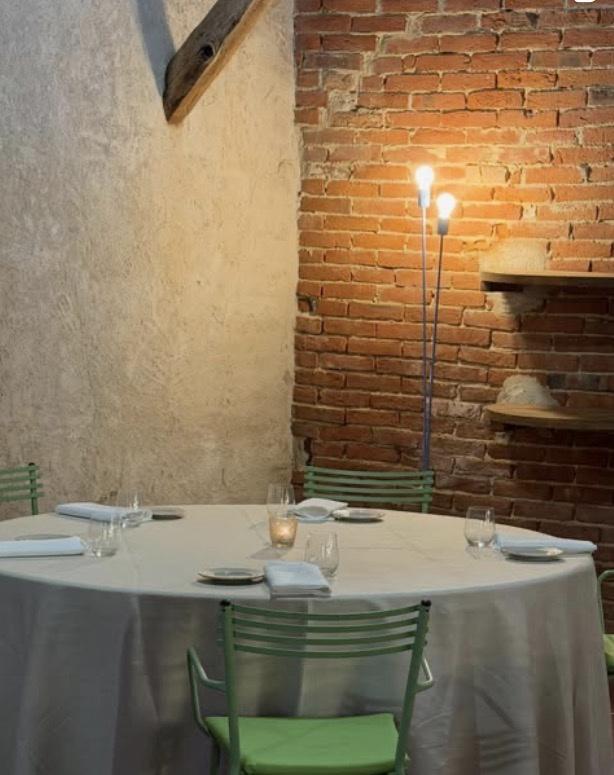
Bare brick, lime plaster, a single standing lamp
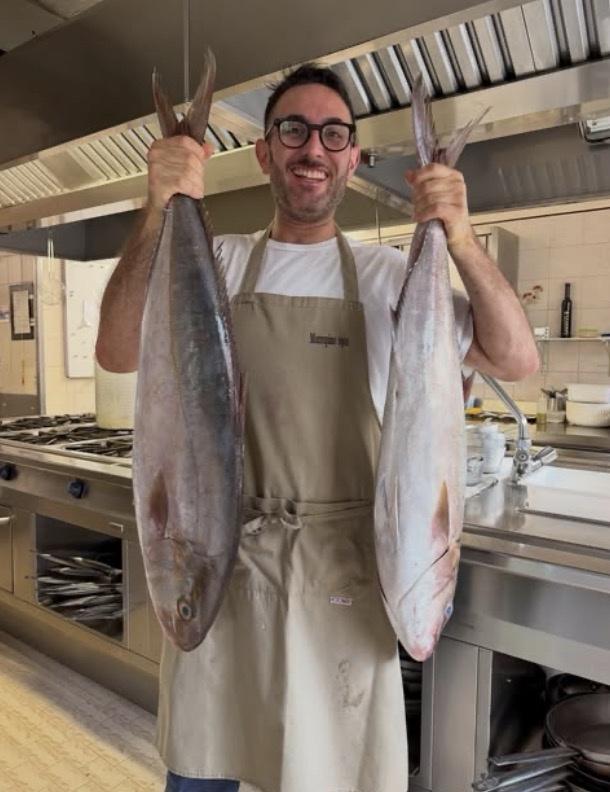
The day’s amberjack — the apron reads 1901

Via Roma 20, Briaglia (Cuneo). Combine with a morning in Alba’s market and an afternoon at a single winery — no more.

Three

Trattoria Sà Pesta

Genoa, Liguria · On record since 1889

Genoa’s caruggi — the tall, narrow alleys of the old port — hide a category of establishment found nowhere else: the sciamadda, a kitchen built around a wood oven turning out chickpea farinata and vegetable tortes. Sà Pesta has been documented on Via dei Giustiniani since 1889 and is among the last of the old trattorias of the quarter to have crossed a century and a half essentially unchanged.

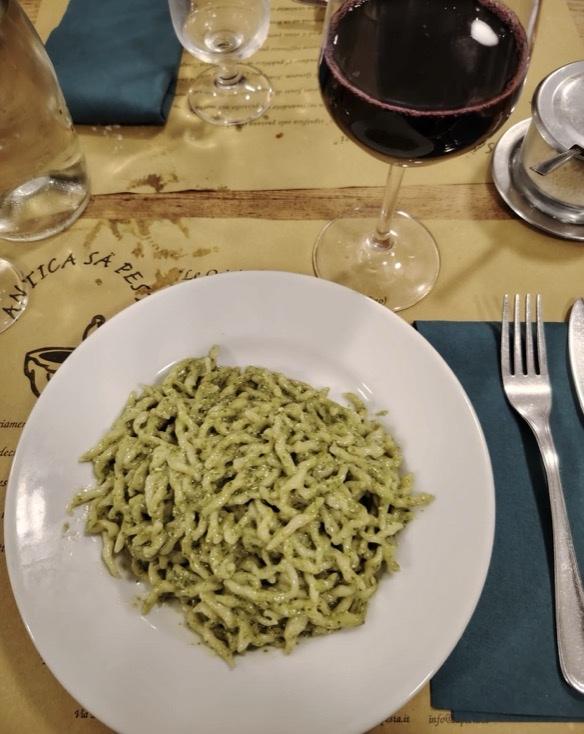
Order farinata, torta pasqualina, stoccafisso, trofie al pesto, a glass of Vermentino, and understand that Ligurian cooking is a cuisine of thrift raised to elegance.

Trofie al pesto on the house paper

Via dei Giustiniani, Genoa. Lunch is the meal; go early, sit at a shared table, expect no ceremony whatsoever.

Four

Trattoria alla Madonna

Venice, Veneto · Since 1954

Behind the Rialto market, in a building that was an old Venetian osteria complete with its own vine, Fulvio Rado opened this house in 1954; his son Lucio has run it for decades since, and the same family holds it still. Venice is a city where a visitor can eat very badly at great expense, which makes an address like this a form of insurance.

The kitchen is fish-first and unsentimental: sarde in saor, granseola, fritto misto, risotto with whatever the market surrendered that morning. The white-jacketed waiters have the brisk, faintly imperial manner that Venetian service does better than anywhere.

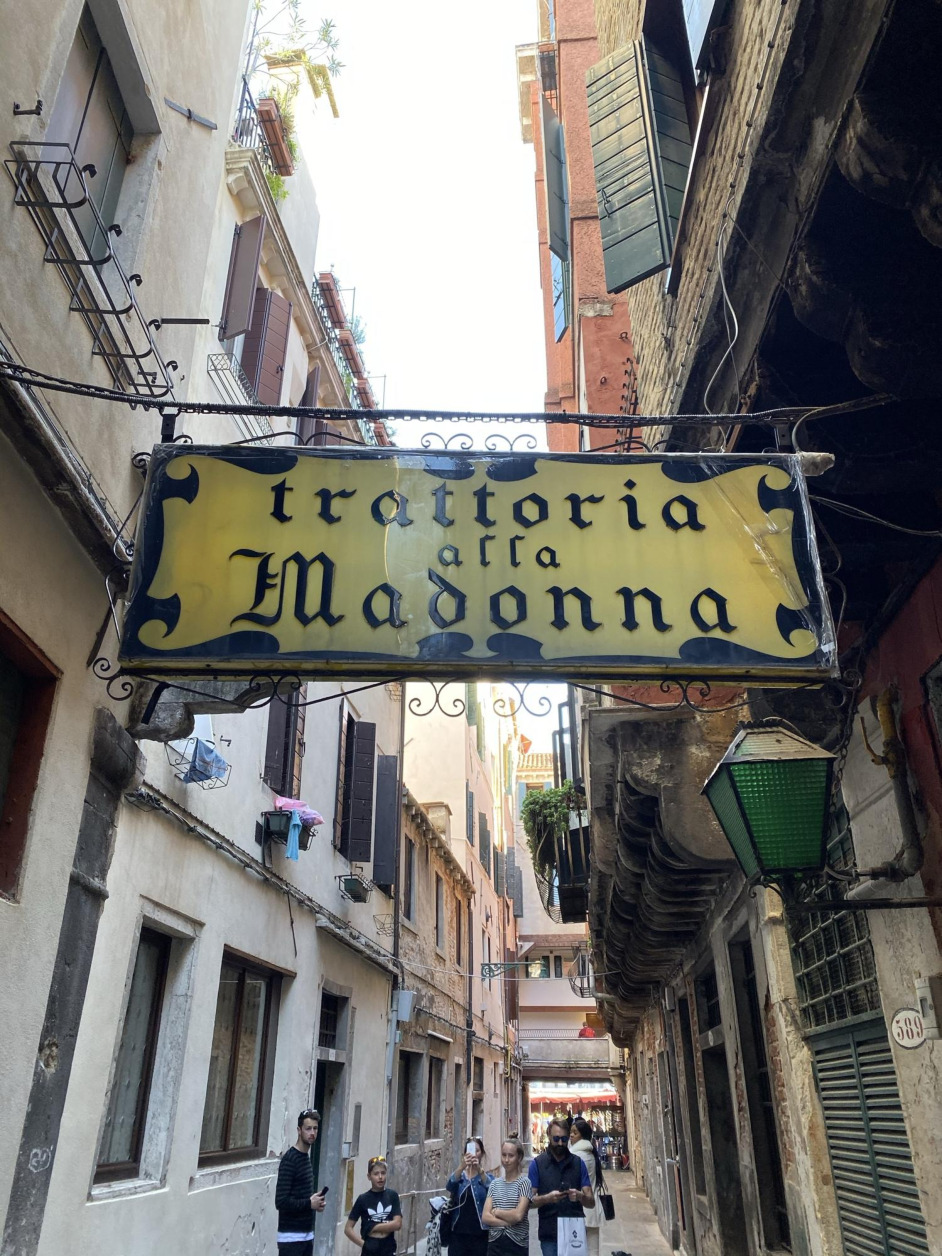
The sign above the calle, off the Rialto
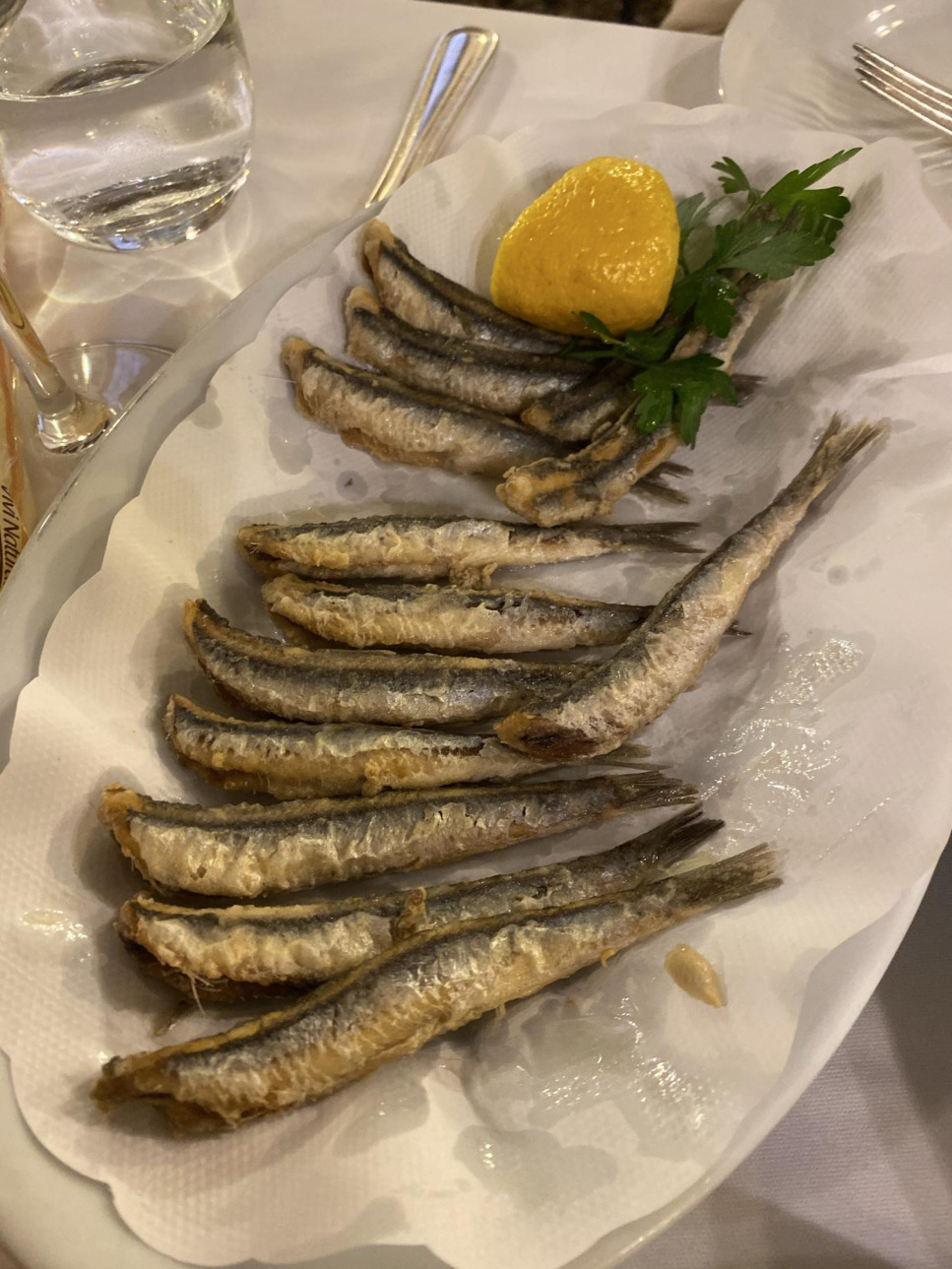
Fried smelts, lemon, parsley
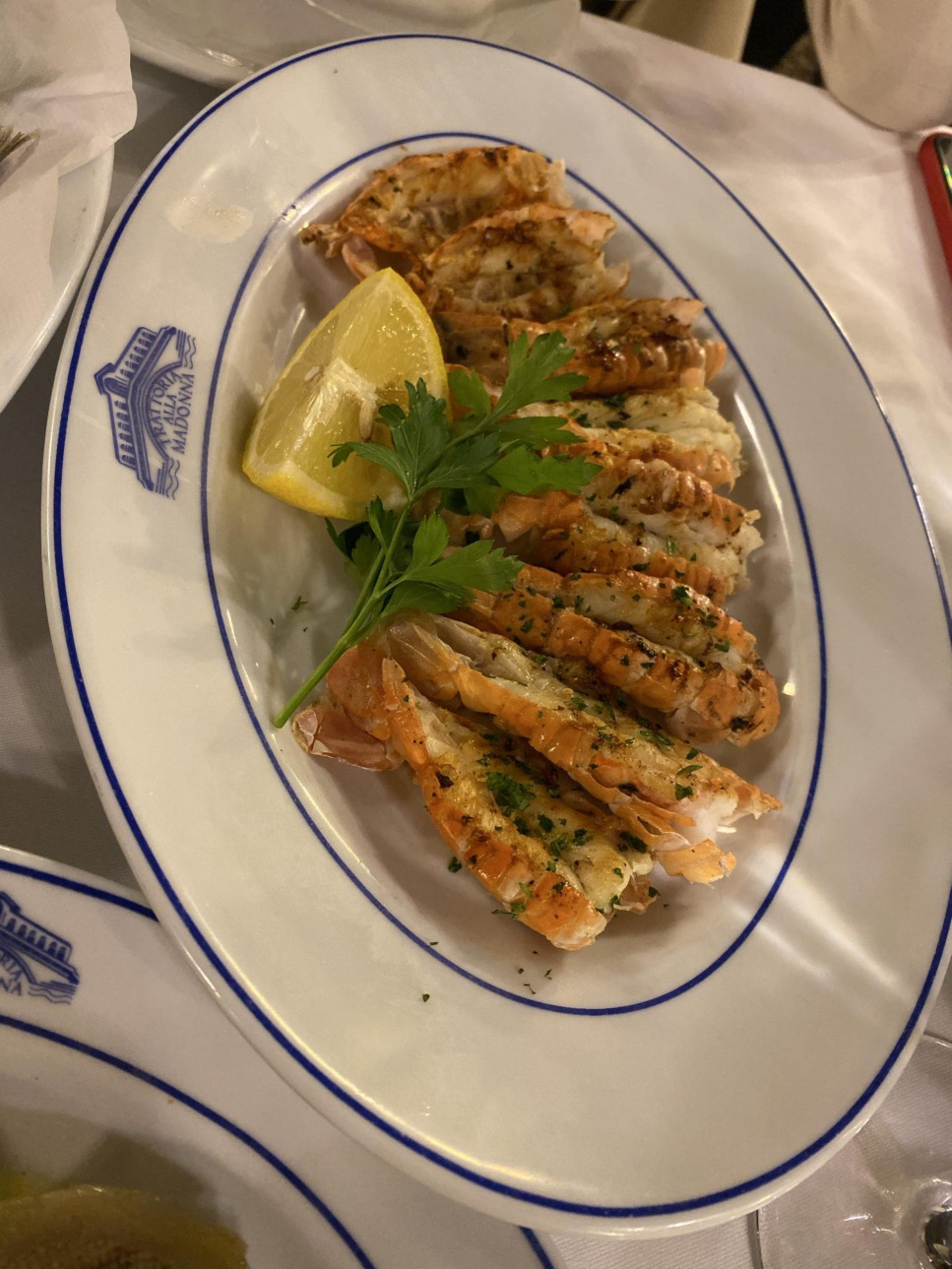
Grilled scampi on the house crested service

Calle della Madonna 594, San Polo. No reservations for small parties — arrive at opening. Cash-friendly, brisk, gloriously unromantic.

The Centre

Five

Trattoria Sostanza

Florence, Tuscany · Since 1869

If one room had to stand for the whole idea, it would be this one. Open since 1869 on Via del Porcellana, in the hands of the same family since 1977, Sostanza has kept its 1930s marble counter, its tiled walls and its open kitchen in a state of preservation that feels almost deliberate.

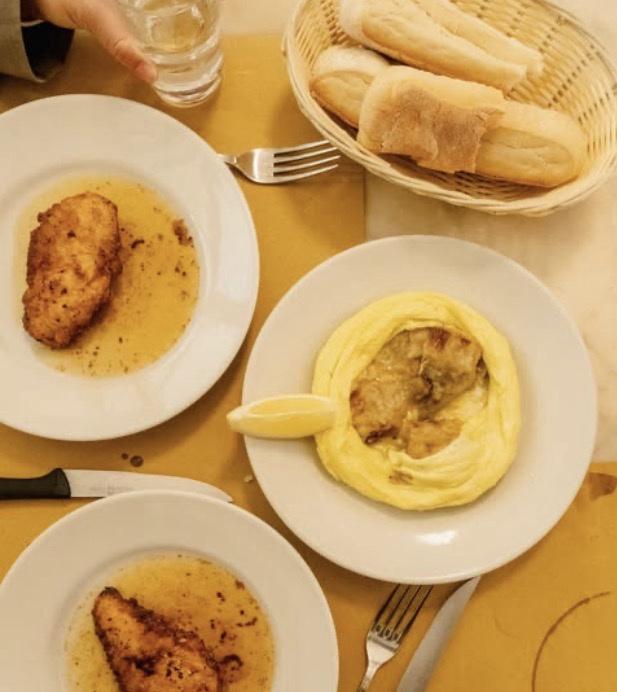
Florentines call it Il Troia, and the two dishes that matter are the artichoke tortino and the pollo al burro — chicken breast cooked in an indecent quantity of butter in a copper pan, served bubbling. There are perhaps a dozen tables, shared, on backless benches. Dress simply and arrive hungry.

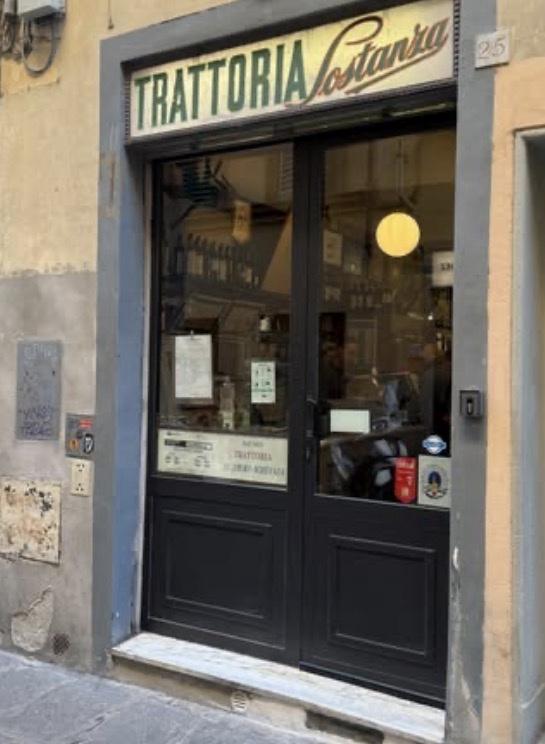
No. 25 Via del Porcellana, the sign unchanged
Pollo al burro and the artichoke tortino

Via del Porcellana 25/R, Florence. Two sittings, communal seating, reservations essential and often weeks out.

Six

Trattoria del Rosso

Bologna, Emilia-Romagna · Since the 1890s

Bologna is the most serious eating city in Italy and Trattoria del Rosso, on Via Augusto Righi, is by most local counts its oldest trattoria — a nineteenth-century house that has fed the same neighbourhood through every version of modern Italy.

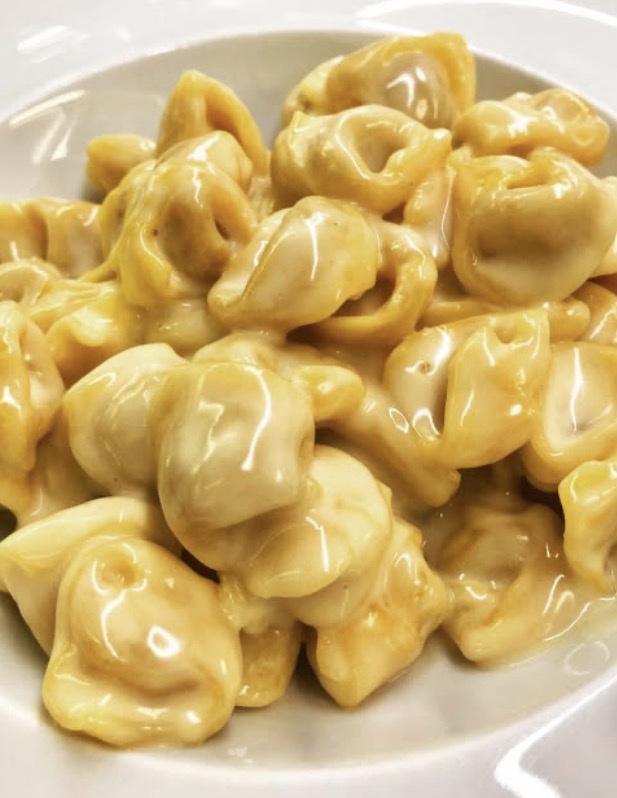
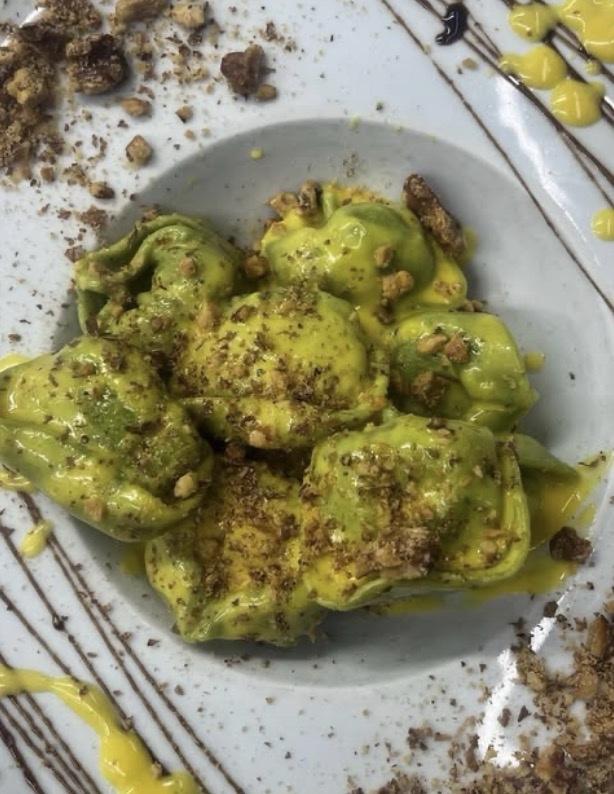
What distinguishes it is not grandeur but proportion: tagliatelle al ragù, tortellini in brodo, bollito misto, and a fixed menu priced with an almost defiant modesty. Students eat beside notaries. This is what a civic kitchen looks like.

Tortellini alla panna, hand-closed that morning
Spinach tortelli under a saffron cream

Via Augusto Righi 30, Bologna. Lunch and dinner daily; walk in on weeknights, call ahead on weekends.

Seven

Felice a Testaccio

Rome, Lazio · Since 1936

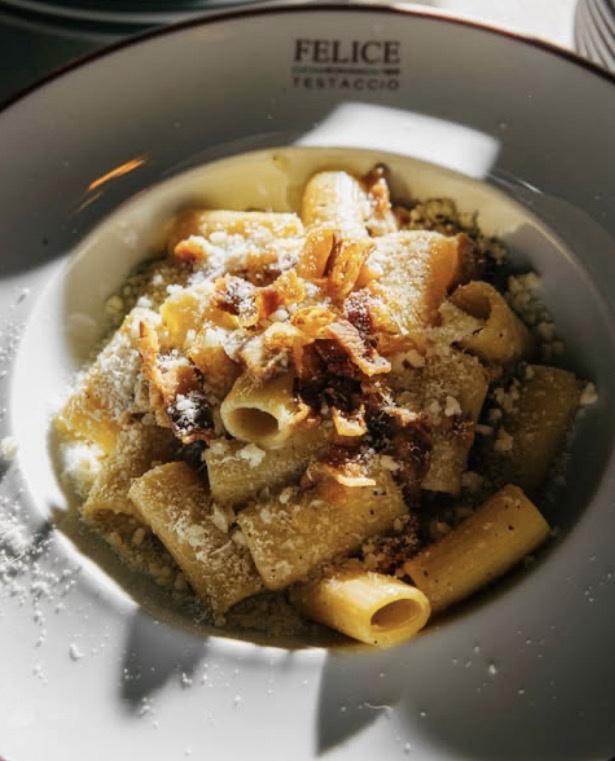
Felice Trivelloni opened his trattoria in 1936 on Via Mastro Giorgio, in the old slaughterhouse quarter, and the family runs it still. Its reputation rests on the tonnarelli cacio e pepe, tossed at your table with a theatricality that would be insufferable if the dish were not so precisely correct — the balance of pecorino, pepper and starch is the house’s whole argument.

Order also the abbacchio and the carciofi in season. Felice himself famously decided who was worthy of a table; his successors are more forgiving, but the spirit remains.

Rigatoni in the house bowl, pecorino grated at the table

Via Mastro Giorgio 29, Testaccio, Rome. Reserve in advance. For the deeper Roman canon of quinto quarto, Checchino dal 1887 — six generations of the Mariani family — sits a few minutes away.

The South & The Islands

Eight

Trattoria da Nennella

Naples, Campania · Since 1949

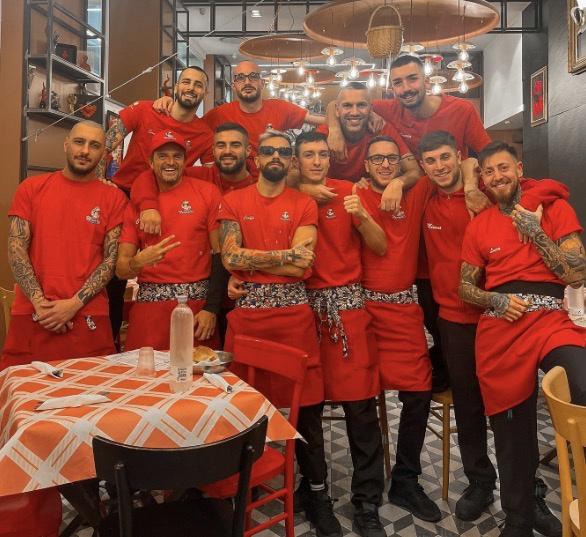
Nennella is not a quiet room, and it is not trying to be. Open since 1949 at the edge of the Quartieri Spagnoli, it serves a fixed menu at a price that reads like a misprint, on paper-covered tables, to the accompaniment of waiters who sing.

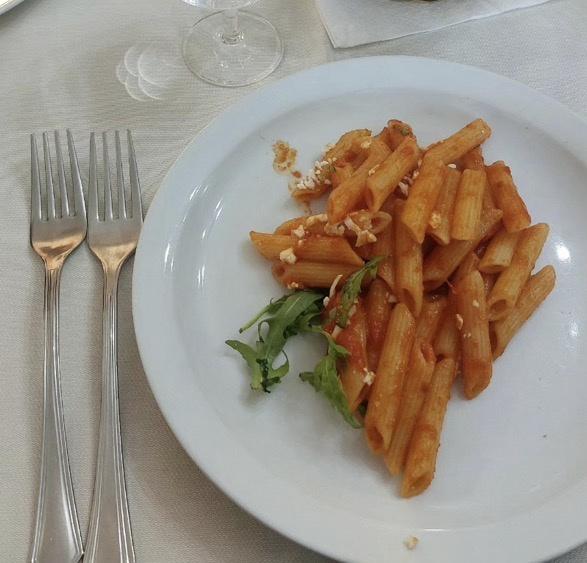
The house dish is pasta, patate e provola; there are also polpette, parmigiana, friarielli and a Neapolitan fritto that arrives at speed. Reservations do not exist — the website says so, repeatedly, in capital letters. Queue, submit, and enjoy the most democratic dining room in Italy.

The dining room staff in the house red — the singing is part of the service
Penne al pomodoro, at the speed the room runs on

Vico Lungo Teatro Nuovo / Piazza Carità area, Naples. No bookings. Go at opening, bring cash and patience.

Nine

Trattoria al Ferro di Cavallo

Palermo, Sicily · Since 1944

The Osteria al Ferro di Cavallo opened on Via Venezia, in Palermo’s historic centre, in 1944 — the year the war moved north — and the Ciminna family has held it ever since, with Giuseppe representing the third generation at the pass.

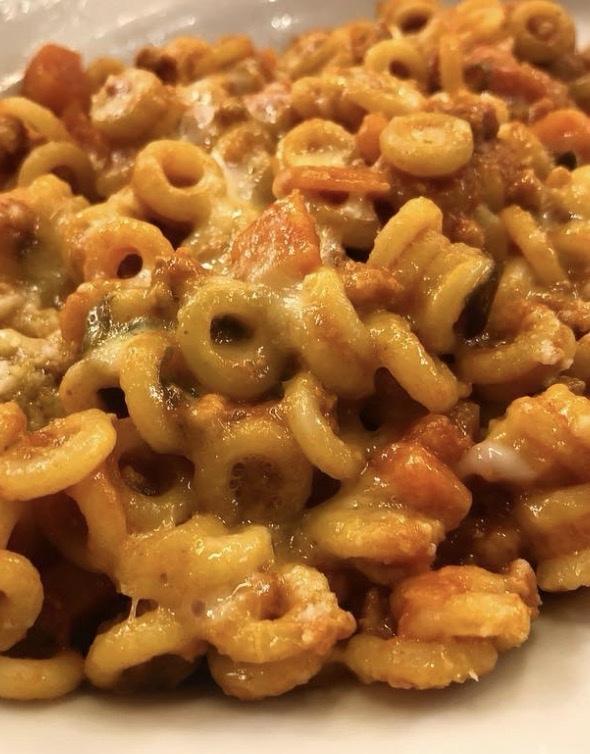
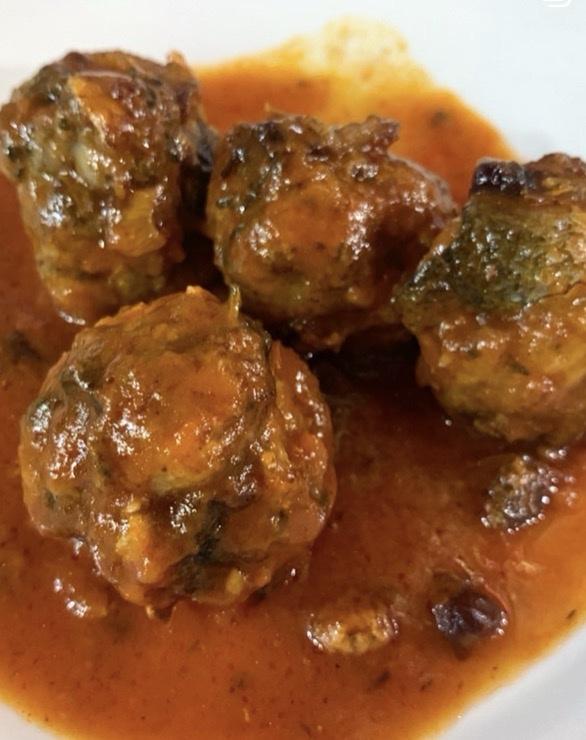
The walls are hung with paintings the family accepted in lieu of payment; the food is the Palermitan repertoire without apology — caponata, sarde a beccafico, pasta con le sarde, involtini. Prices remain almost implausibly low. Nearby, Trattoria Piccolo Napoli has been in family hands since 1951 and is the better address for pure seafood.

Anelletti al forno, the Palermitan Sunday dish
Polpette in a long-cooked tomato sauce

Via Venezia 20, Palermo. Lunch is best; closed Sunday. Cash, noise, and no pretence of hush.

Ten

Trattoria Le Zie — Cucina Casareccia

Lecce, Puglia · Since 1966

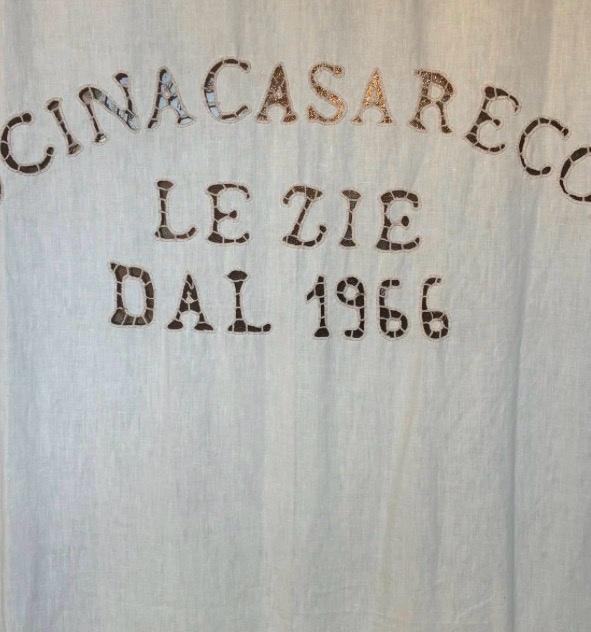
Just outside the baroque centre of Lecce, “the aunts’ trattoria” has been cooking Salentine home food since 1966, in a dining room of checked cloths and family warmth where guests ring a bell to be let in.

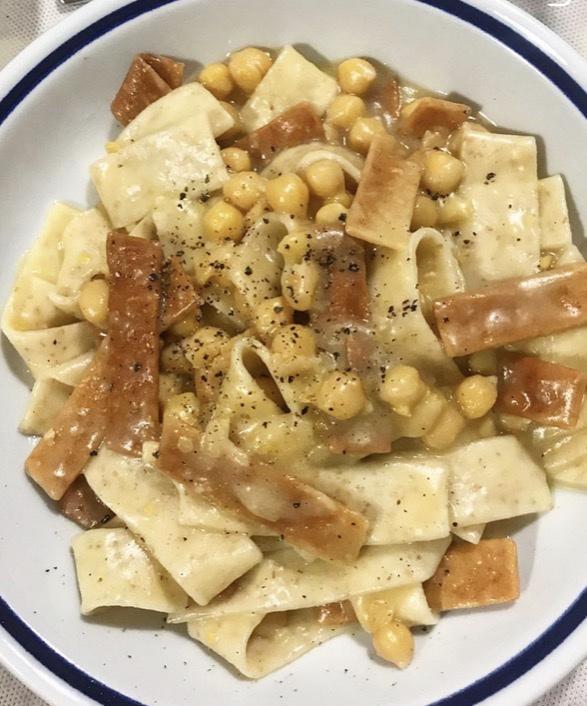
The menu is dictated rather than printed: ciceri e tria, horse-meat ragù for the brave, purè di fave, turcinieddhi, vegetables treated with the seriousness they deserve in the south. It is the clearest expression on this list of a truth about Puglia — that the region’s genius is agricultural, not aristocratic.

The linen at the door: Cucina Casareccia Le Zie, dal 1966
Ciceri e tria — the dish of the Salento

Via Colonnello Costadura 19, Lecce. Small, family-run, essential to book. Ring the bell.

How to Sit Down Properly

A few rules travel well. Reserve where reservations exist, and accept the two sittings when they are offered — the second is usually the better one. Order the dish the house is named for, then one thing you have never heard of. Take the house wine; in a trattoria of this calibre the carafe is a statement of confidence, not a compromise. Do not ask for substitutions. Do not photograph the plate before the person opposite you has been served. Pay in cash where it is welcome, tip modestly, and leave when the room begins to empty.

And dress as though the room were older than you are, because it is. A pressed shirt, a good jacket, shoes that can handle stone — the trattoria asks for no more than that, and rewards it precisely. These are not places that demand luxury. They are places that demonstrate what luxury was always supposed to mean: something made properly, by the same hands, for long enough that it became permanent.

Roberto da Carrara

Fall/Winter 2026 · Issue No. 02

← Back to the Magazine